Tablecloths are protective textile coverings designed to cover dining and utility tables, helping limit everyday contact with spills, crumbs, and surface wear. They also provide a defined fabric layer for meals, gatherings, and household tasks. Size, shape, drape, and material influence how a tablecloth fits and functions in different settings.
When assessing a tablecloth, compare its dimensions with the tabletop and consider how much overhang is suitable for the intended use. A close fit can be practical for frequent dining, while a longer drop creates fuller coverage. Table shape matters too: rectangular, square, and round surfaces require appropriately proportioned coverings.
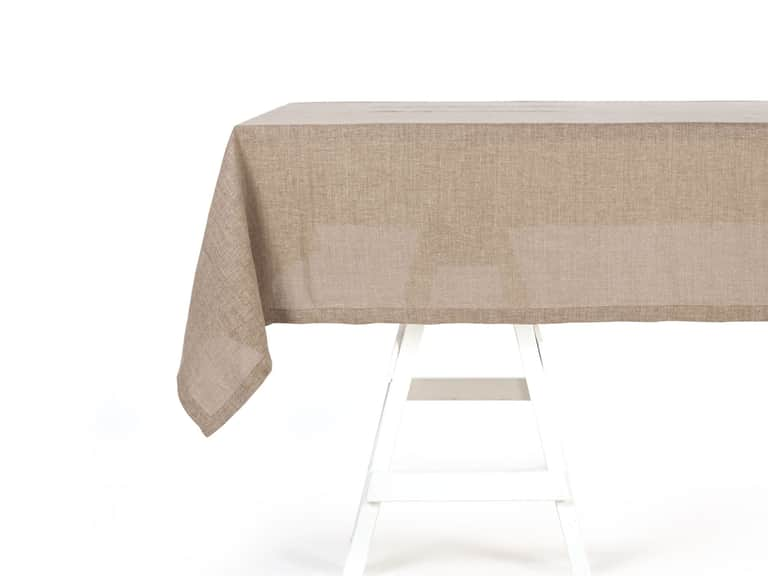
The Riverside Tablecloth is a named option within this category. Its primary functional role, as a tablecloth, is to cover a table surface during everyday use or meals. Specific details such as fabric composition, dimensions, care instructions, and pattern should be checked in the product information before determining whether it suits a particular table.
Material and maintenance are important considerations for table linens. Fabric type can affect texture, weight, drape, and laundering requirements, while color and pattern influence how easily a covering coordinates with surrounding décor. These practical details distinguish tablecloths from other home textiles, including bedding, pillows, sheets, duvet covers, and latex products.
For a useful fit, measure the table’s length and width or diameter, then account for the preferred drop on each side. Consider the frequency of use, expected cleanup, and storage space as well. These factors help clarify whether a tablecloth is appropriate for daily dining, occasional gatherings, or a multipurpose household surface.
 Table